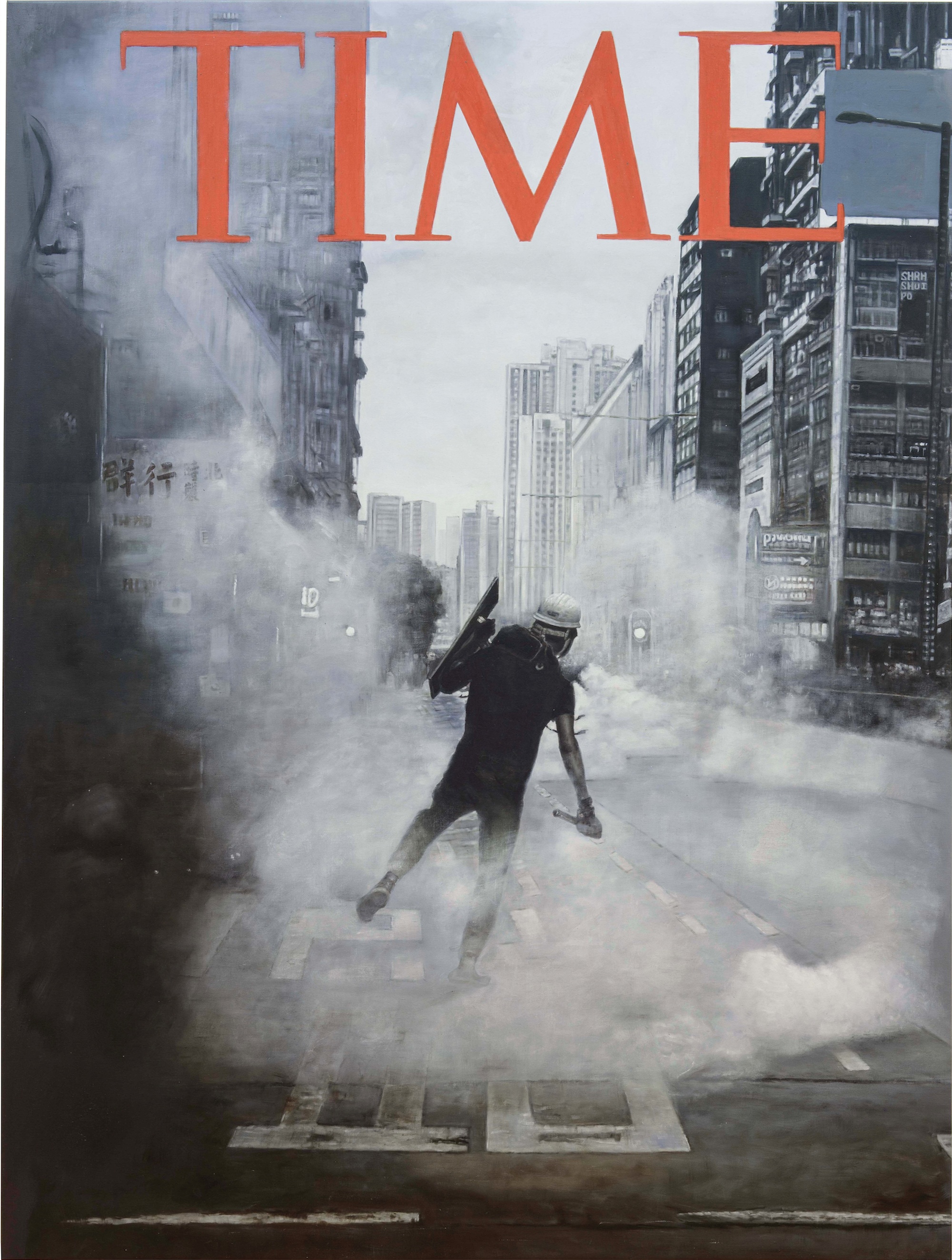
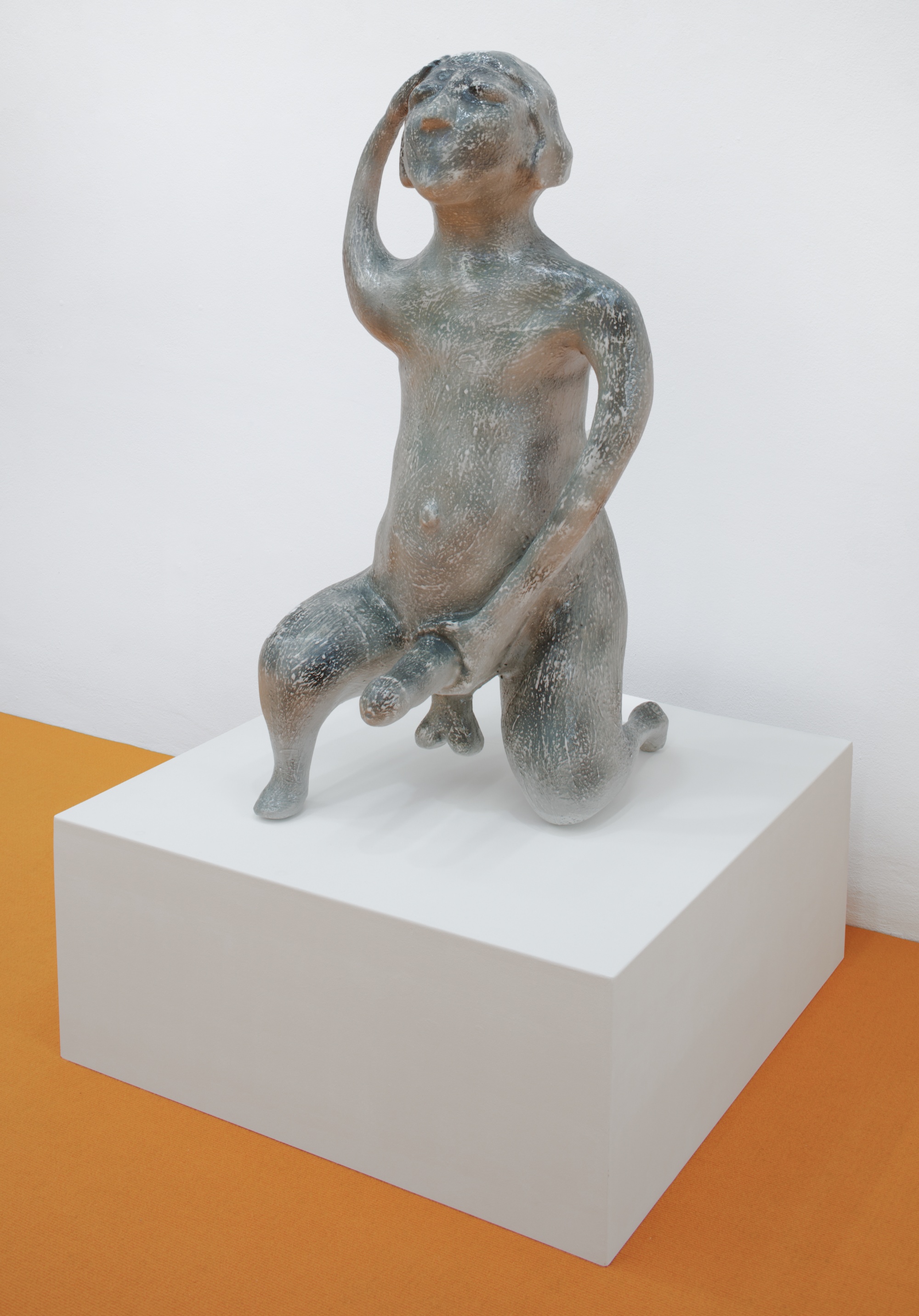
Probably a Robbery
Installation View, 2021
The Happy Deppy Ecstasy Institute
Installation View, 2021
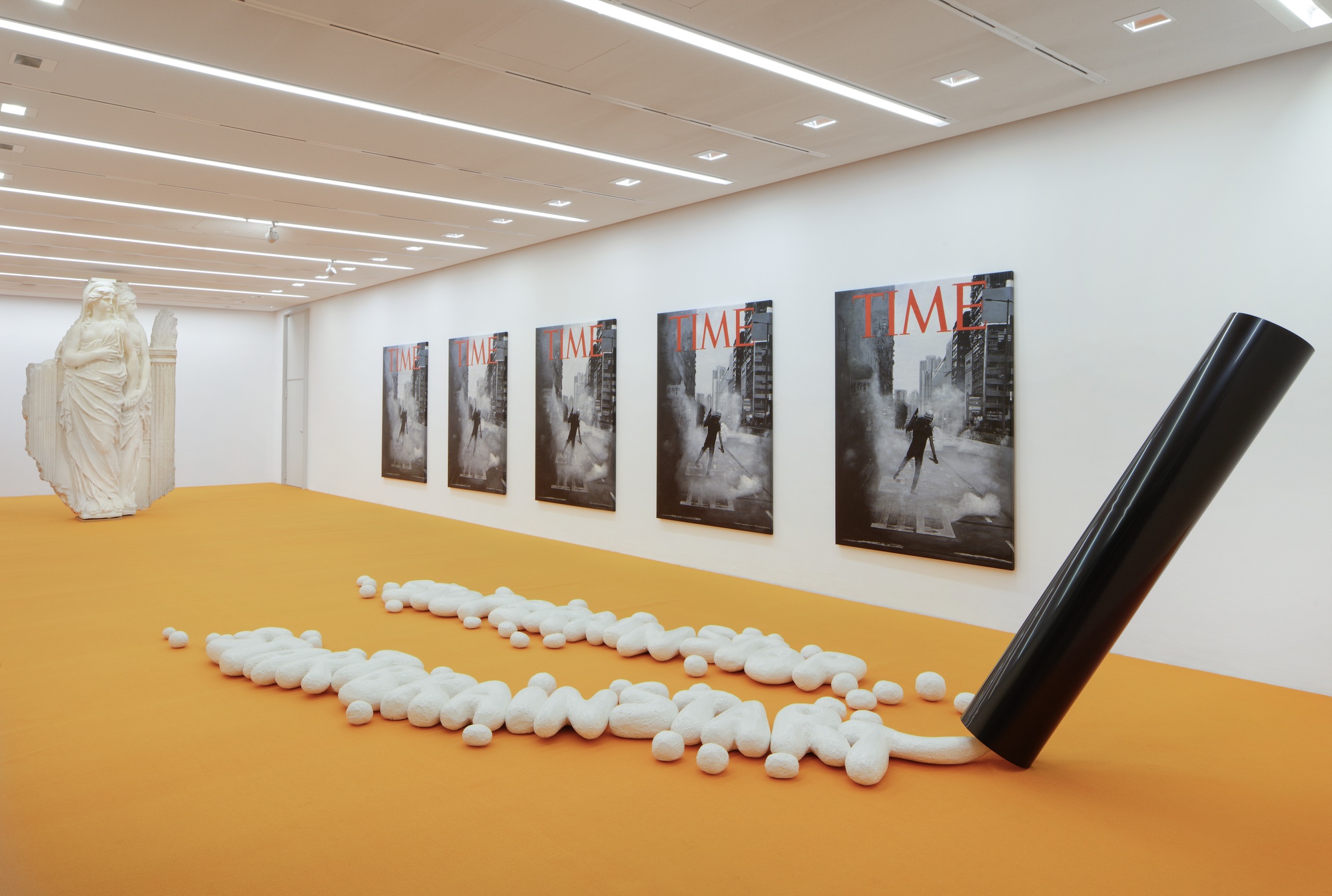
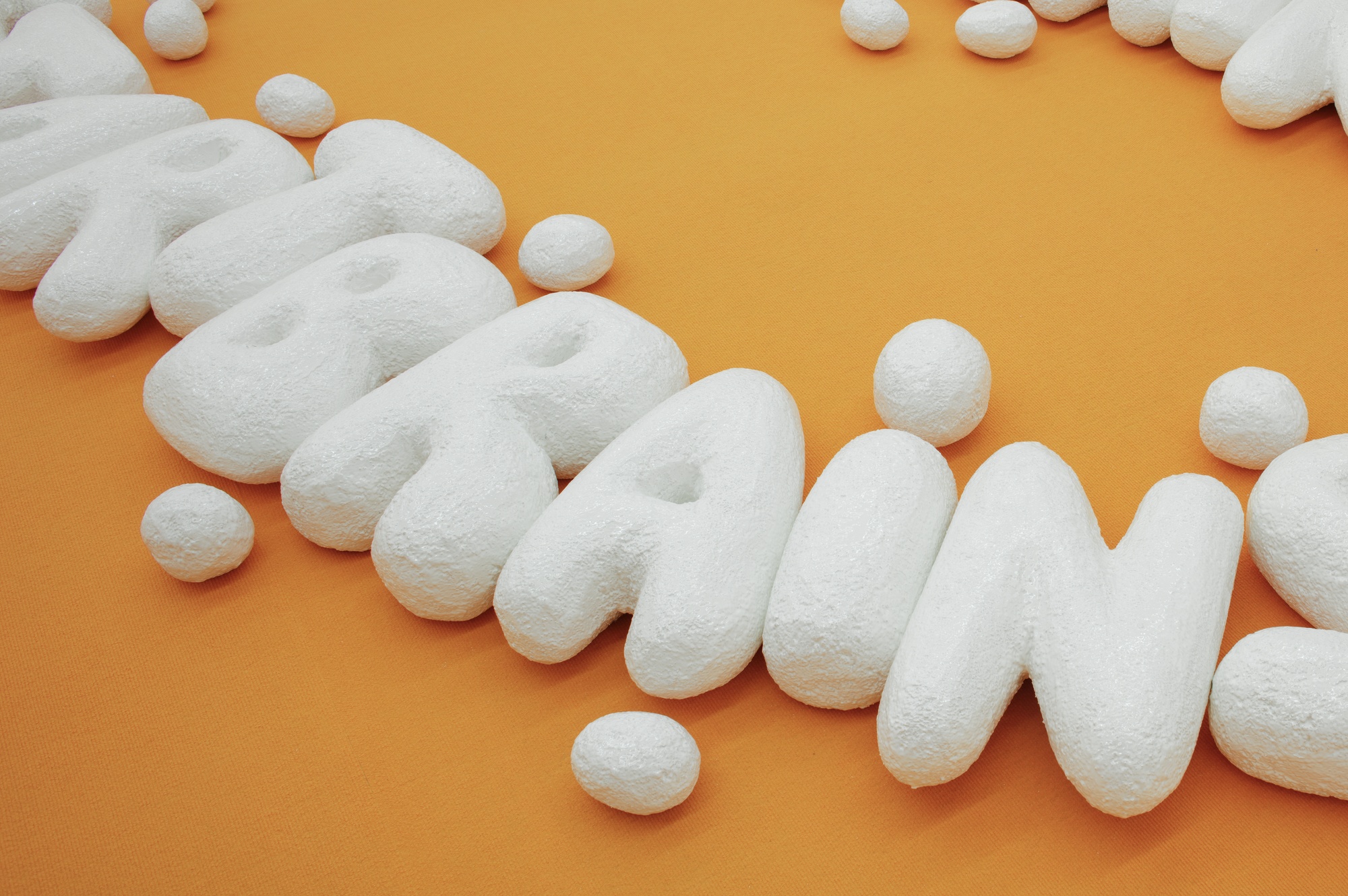
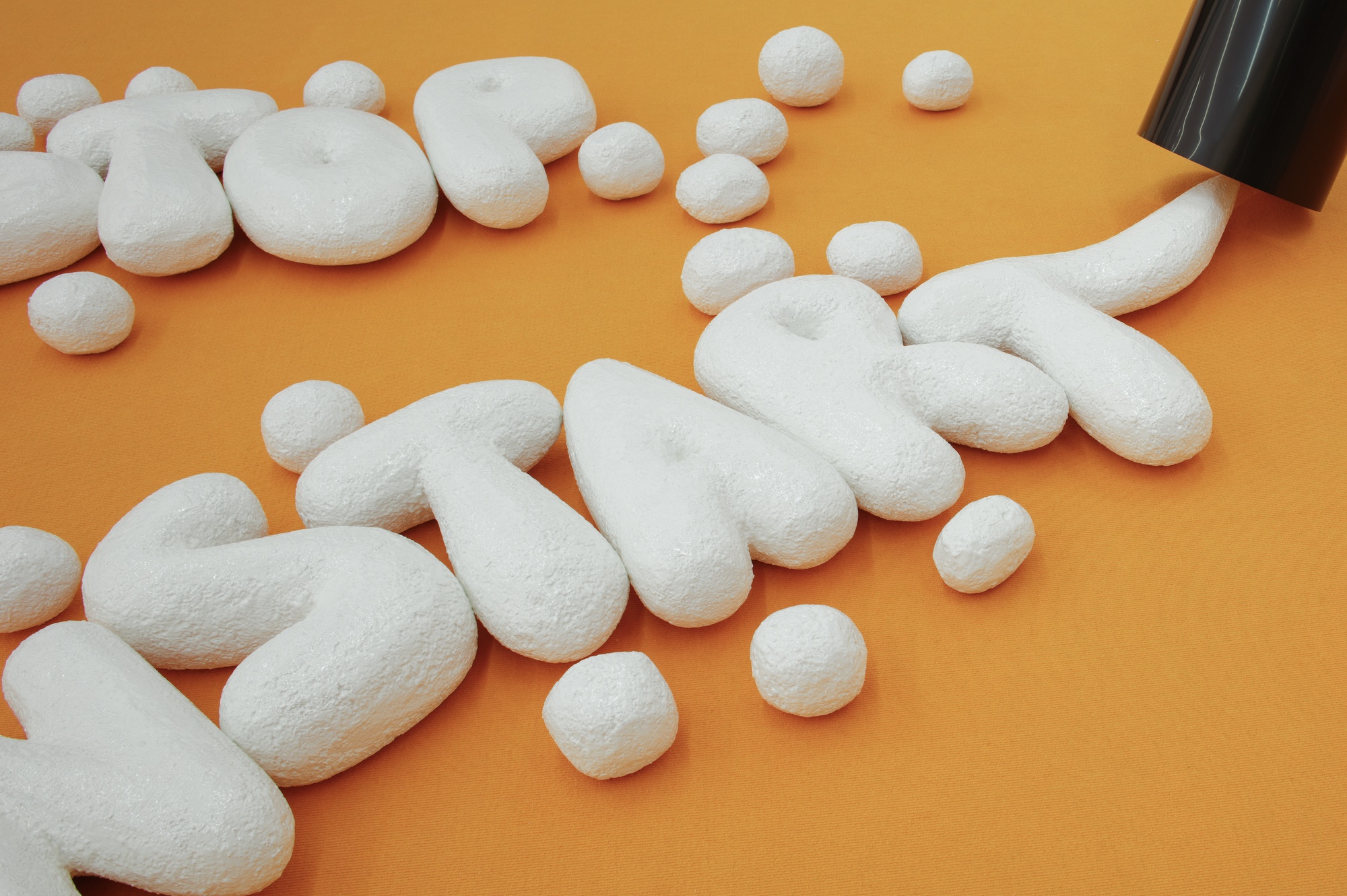
Godspeed (Start) & Godspeed (Stop)
Installation View, 2021
Godspeed (Start) & Godspeed (Stop)
Installation View, 2021
Time Cloud I-V
Installation View, 2021
The Happy Deppy Ecstasy Insitute
Installation View, 2021
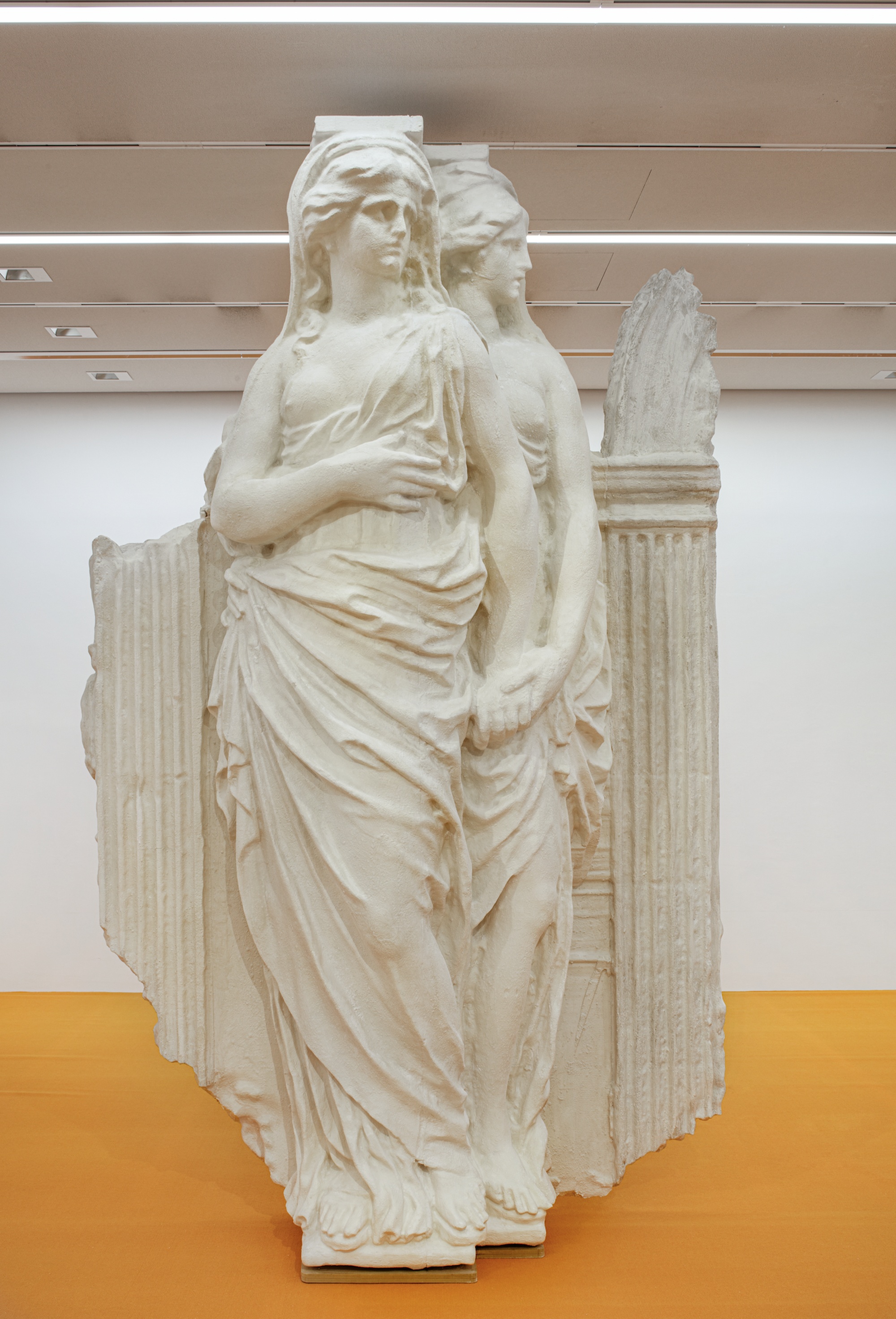
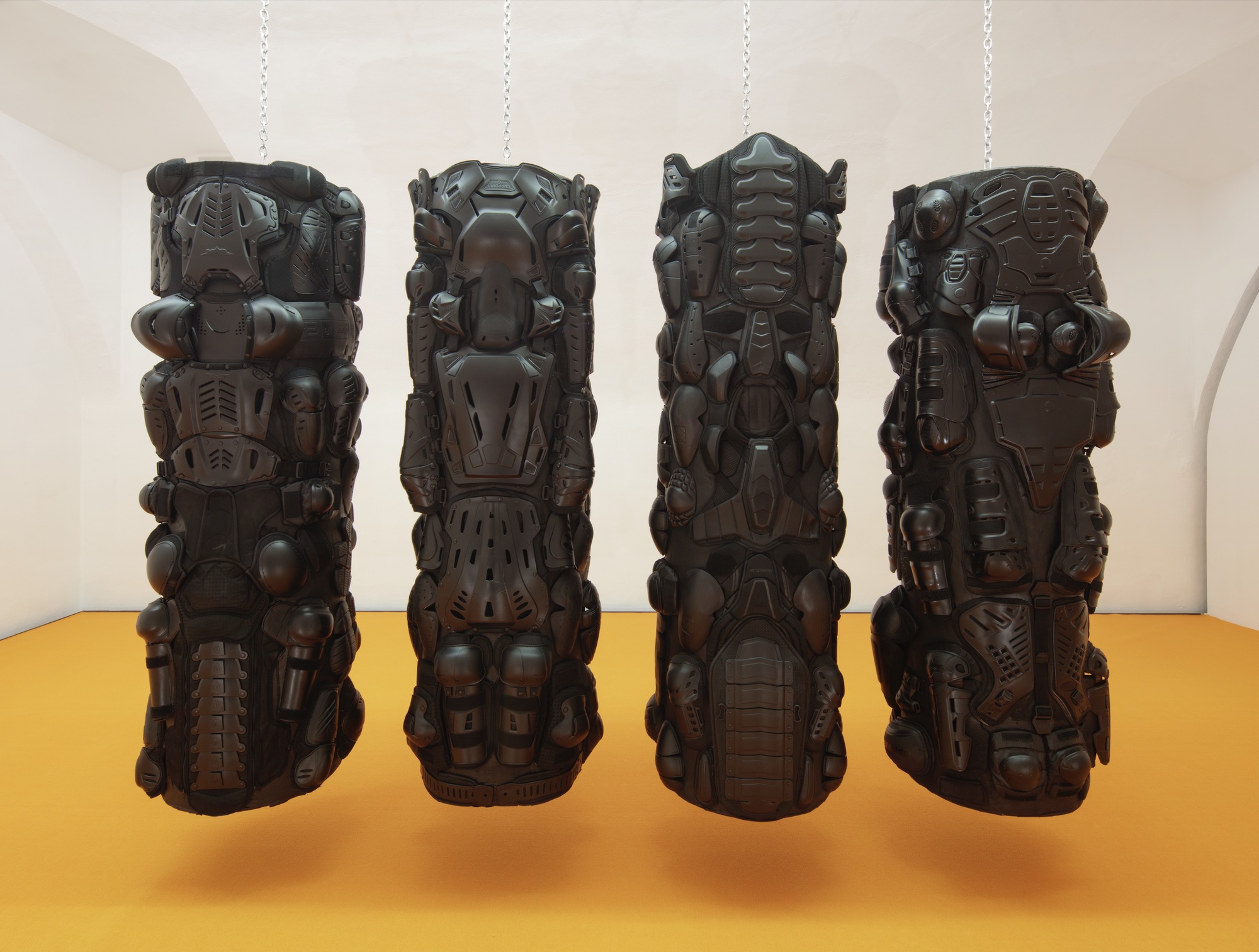
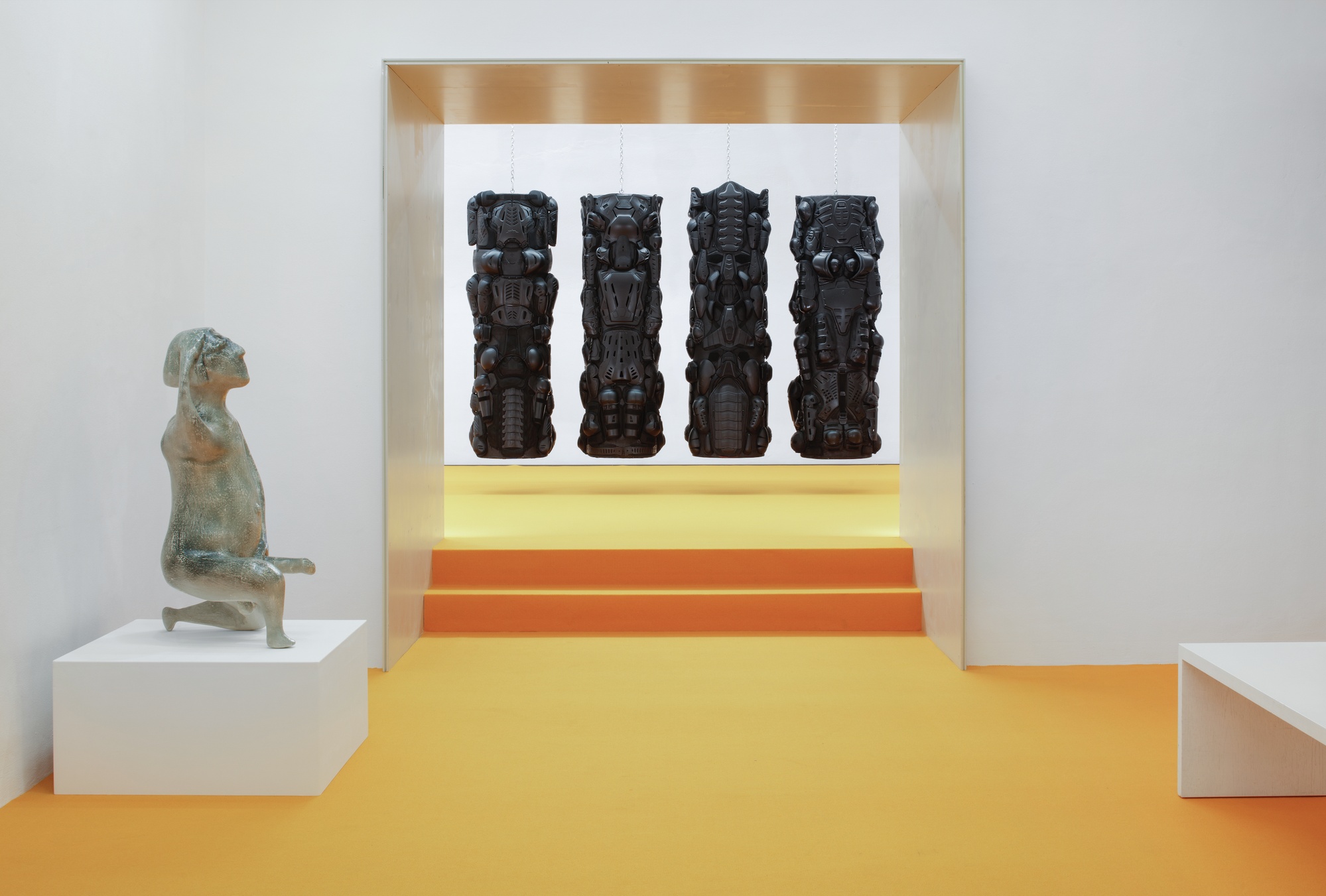
Columns of Empire I-IV
Installation View, 2021
Energy Circulation
Installation View, 2021
Columns of Empire I-IV
Installation View, 2021
The Happy Deppy Ecstasy Institute
Installation View, 2021
Economic Ejaculation
Installation View, 2021
Revelation AD
Installation View, 2021
Jack the Future
Installation View, 2021
The Happy Deppy Ecstasy Institute, Kunstpalais Erlangen
Scroll Down for German
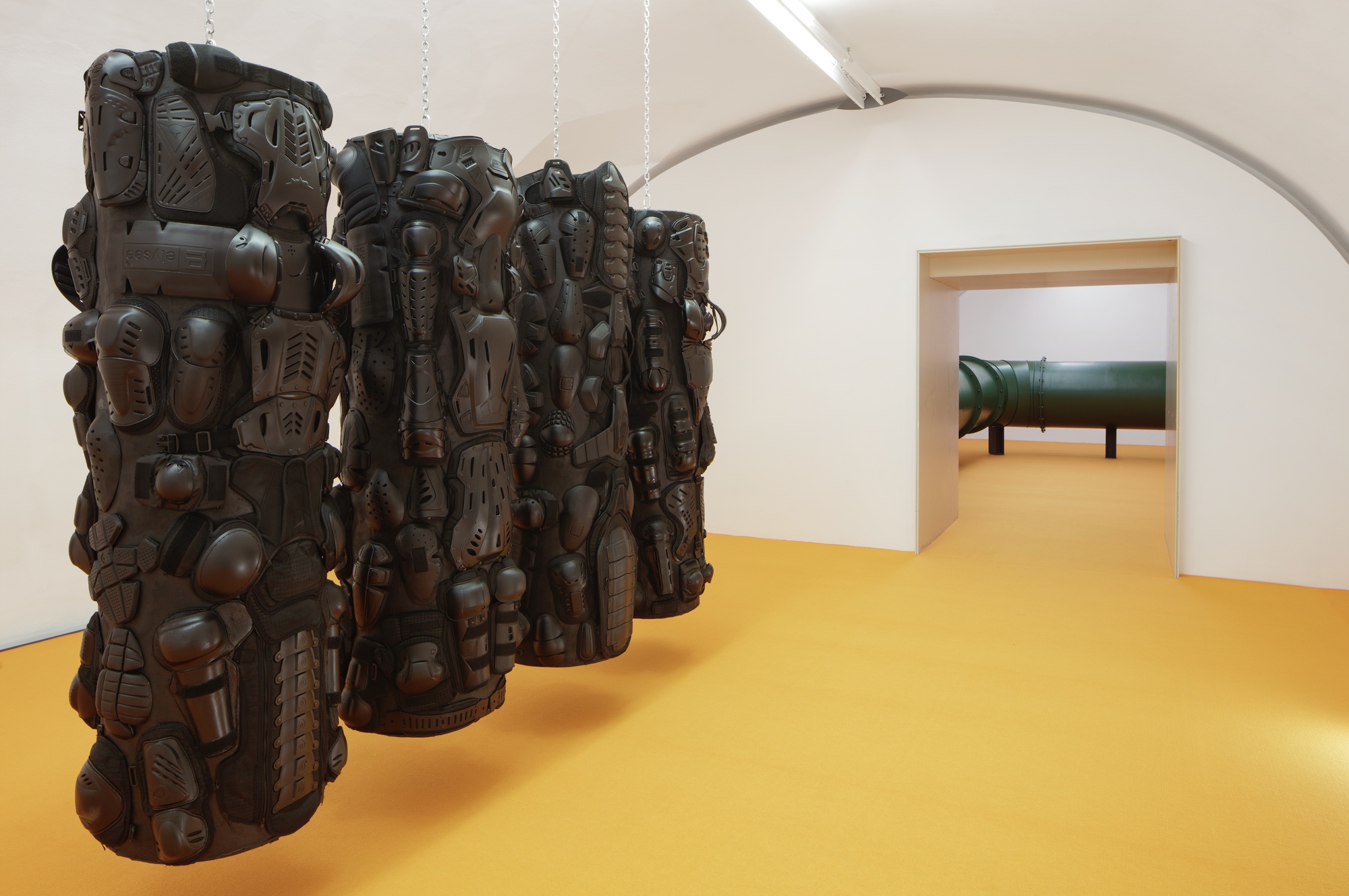
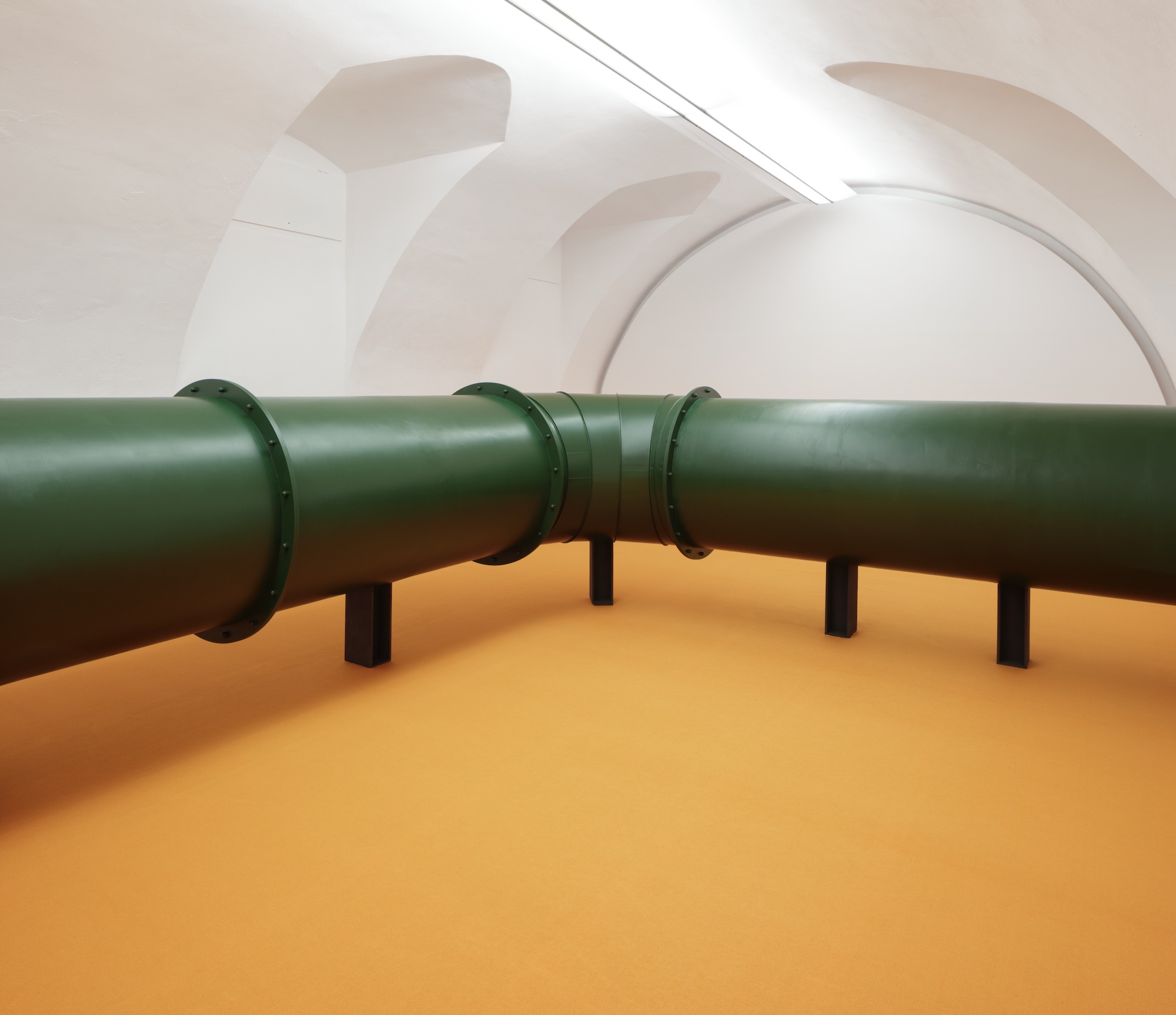
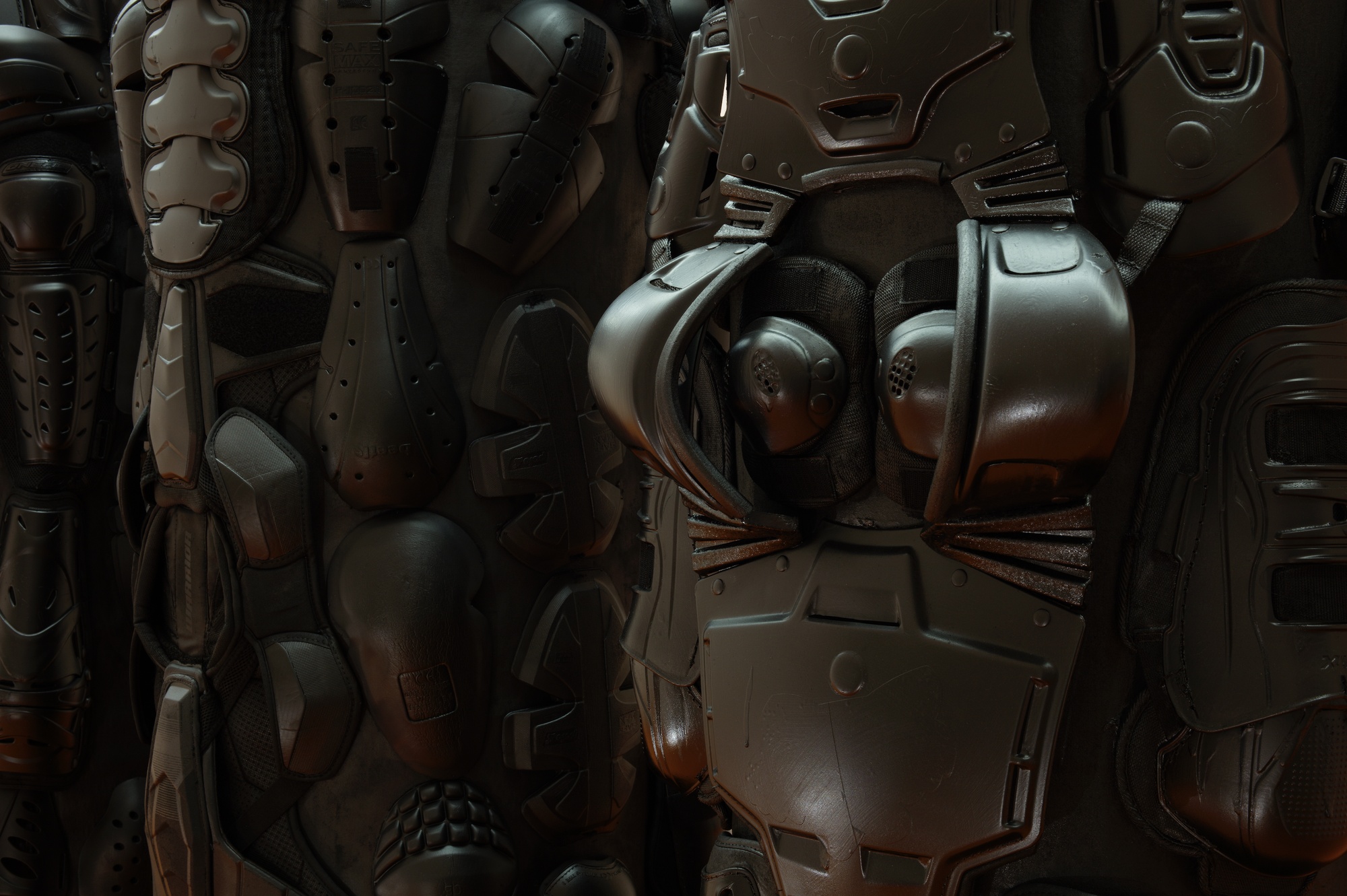
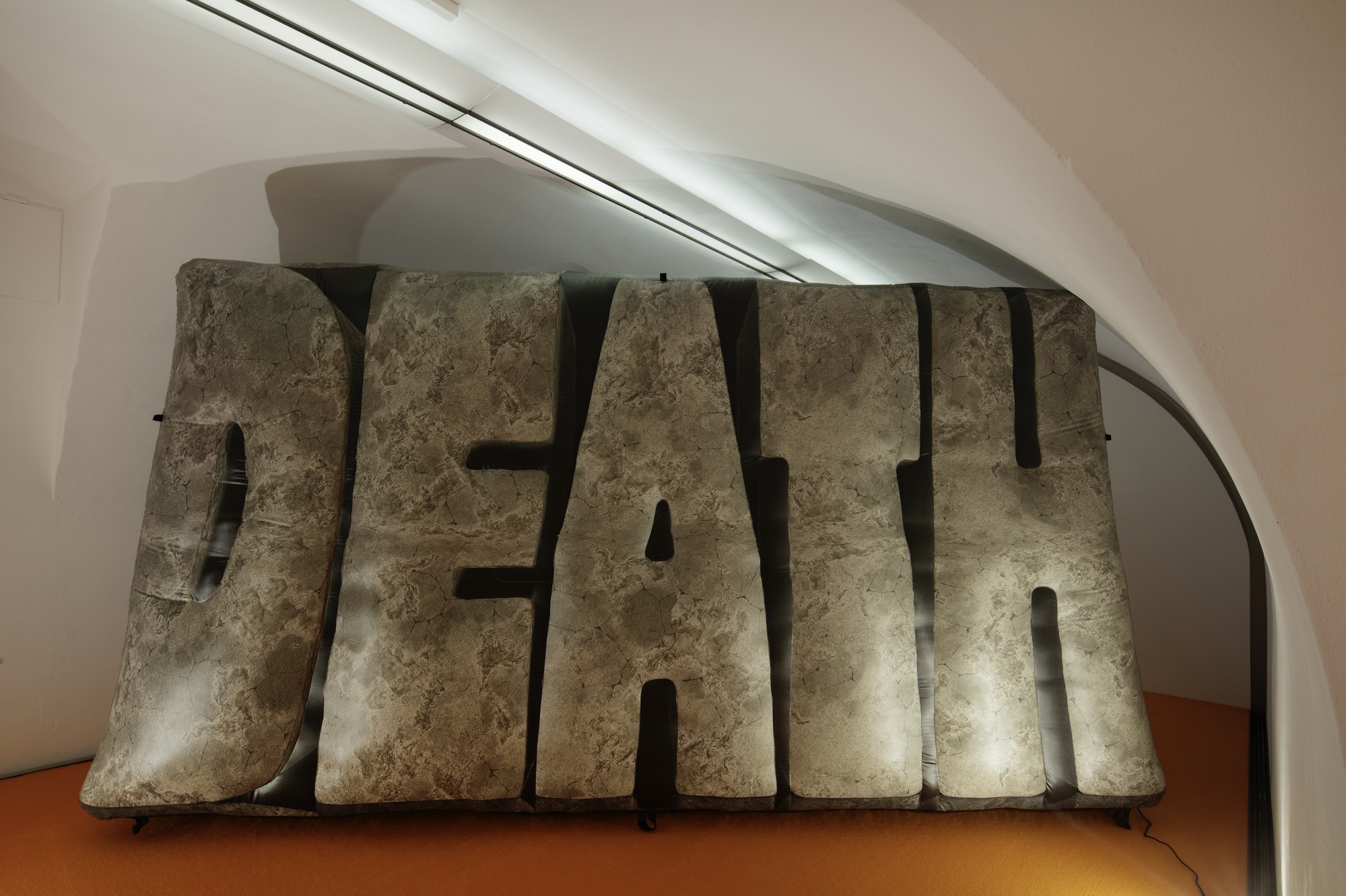
In The Happy Deppy Ecstasy Institute, her first institutional solo exhibition in Germany, Zuzanna Czebatul (born 1986 in Międzyrzecz, Poland) poses questions about power, its symbolic embodiment, and how power relations structure our social reality. For Kunstpalais, the Berlin-based sculptor not only produces new sculptures, but also creates an extensive artistic spatial program that can be read as a parody of real-life end-time spectacles. Mighty gas pipelines, man-sized towers made of body armor, or a pirated copy of a part of the Louvre facade reflect Czebatul’s fascination with geopolitical themes and monolithic forms. In her exhibition the overlapping discourses on claims to power and claims of interpretations resemble a signature of our time.
For all their aesthetic force, Czebatul’s works are primarily concerned with aspects of our mode of production and life that are readily repressed. Against the horizon of current political, economic, and ecological crises, she draws on the strategies of a polyphonic, emancipatory counterculture, without succumbing to the temptation of moral finality. In times when the statues of colonizers are being razed and imperial castles are being reconstructed at the same time, her works represent witty anti-monuments – memorials to an ideology-free society yet to be built.
German
In The Happy Deppy Ecstasy Institute, ihrer ersten institutionellen Einzelausstellung in Deutschland, stellt Zuzanna Czebatul (1986 in Międzyrzecz, Polen) Fragen nach Macht, ihrer symbolischen Verkörperung und danach, wie Machtverhältnisse unsere soziale Wirklichkeit strukturieren. Für das Kunstpalais realisiert die in Berlin lebende Bildhauerin nicht nur neue Skulpturen, sondern entwickelt zudem ein umfassendes künstlerisches Raumprogramm, das sich als Parodie realer Endzeit-Spektakel lesen lässt. Mächtige Gaspipelines, mannshohe Türme aus Körperpanzerungen oder eine raubkopierte Kopie eines Fassadenausschnitts des Louvre spiegeln Czebatuls Faszination für geopolitische Themen und monolithische Formen wider. In der Ausstellung überlagern sich Diskurse um Machtansprüche und Deutungshoheiten – ein Charakteristikum unserer Zeit.
Bei aller ästhetischen Wucht beschäftigen sich Czebatuls Arbeiten vor allem mit Aspekten unserer Produktions- und Lebensweise, die gemeinhin verdrängt werden. Vor dem Hintergrund aktueller politischer, ökonomischer und ökologischer Krisen greift sie auf Strategien einer polyphonen, emanzipatorischen Gegenkultur zurück, ohne der Versuchung moralischer Endgültigkeit zu erliegen. In einer Zeit, in der Statuen von Kolonisatoren gestürzt und zugleich imperiale Schlösser rekonstruiert werden, erscheinen ihre Werke als ebenso witzige wie präzise Anti-Monumente – Denkmäler für eine noch zu errichtende, ideologiefreie Gesellschaft.
Photo: Ludgar Paffrath